



What happens at the gate
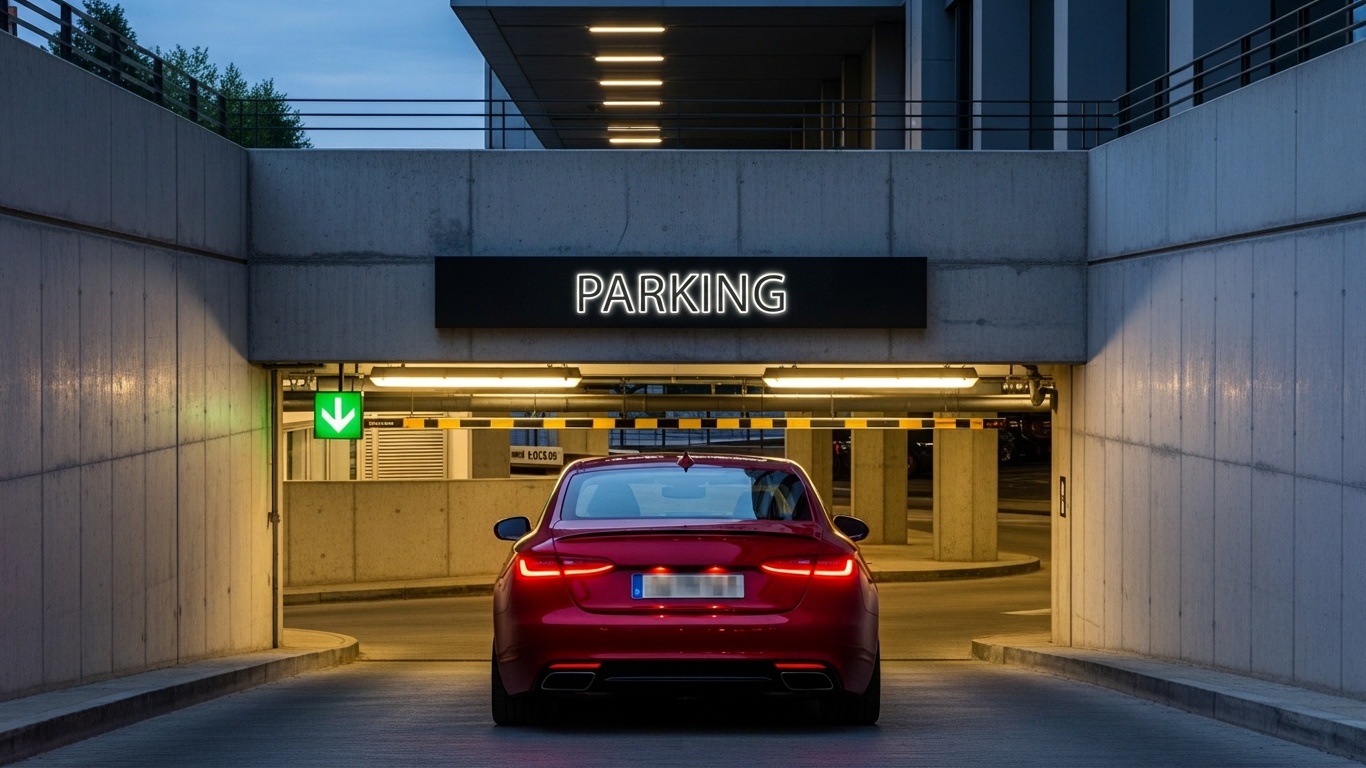
A camera reads the plate as the vehicle approaches. In the same moment, the system checks who that plate belongs to — a monthly parker, a member of staff, a pre-approved visitor, or someone arriving for the first time — and opens the gate accordingly, logging those details in the management portal. Nothing is printed, and nothing is handed over. There's no ticket sitting on the dashboard to lose between the barrier and the exit.
From there, the session runs itself. Monthly parkers and staff are recognised and drive straight through, no interaction required. Casual visitors are prompted to pay by app, QR code, or at a kiosk — whichever suits them — and can do it any time during their visit rather than queuing at the barrier on the way in. On the way out, the same camera checks the plate against payment, and the gate opens the moment everything lines up. If it doesn't, the driver is simply prompted to pay before they leave.
Gated or ungated, it works the same way
A barrier isn't what makes ticketless work — the plate read is. On a gated site, the camera confirms access and the barrier opens the moment everything lines up. On an ungated, freeflow site — a surface lot, a drive-through lane, anywhere a boom gate was never practical or wanted — the same camera reads the plate on entry and again on exit, opening and closing the session automatically and settling payment afterwards, with no gate involved at all. It's the same ticketless logic either way; the barrier is optional, not the mechanism that makes it work.
Why this matters more at scale
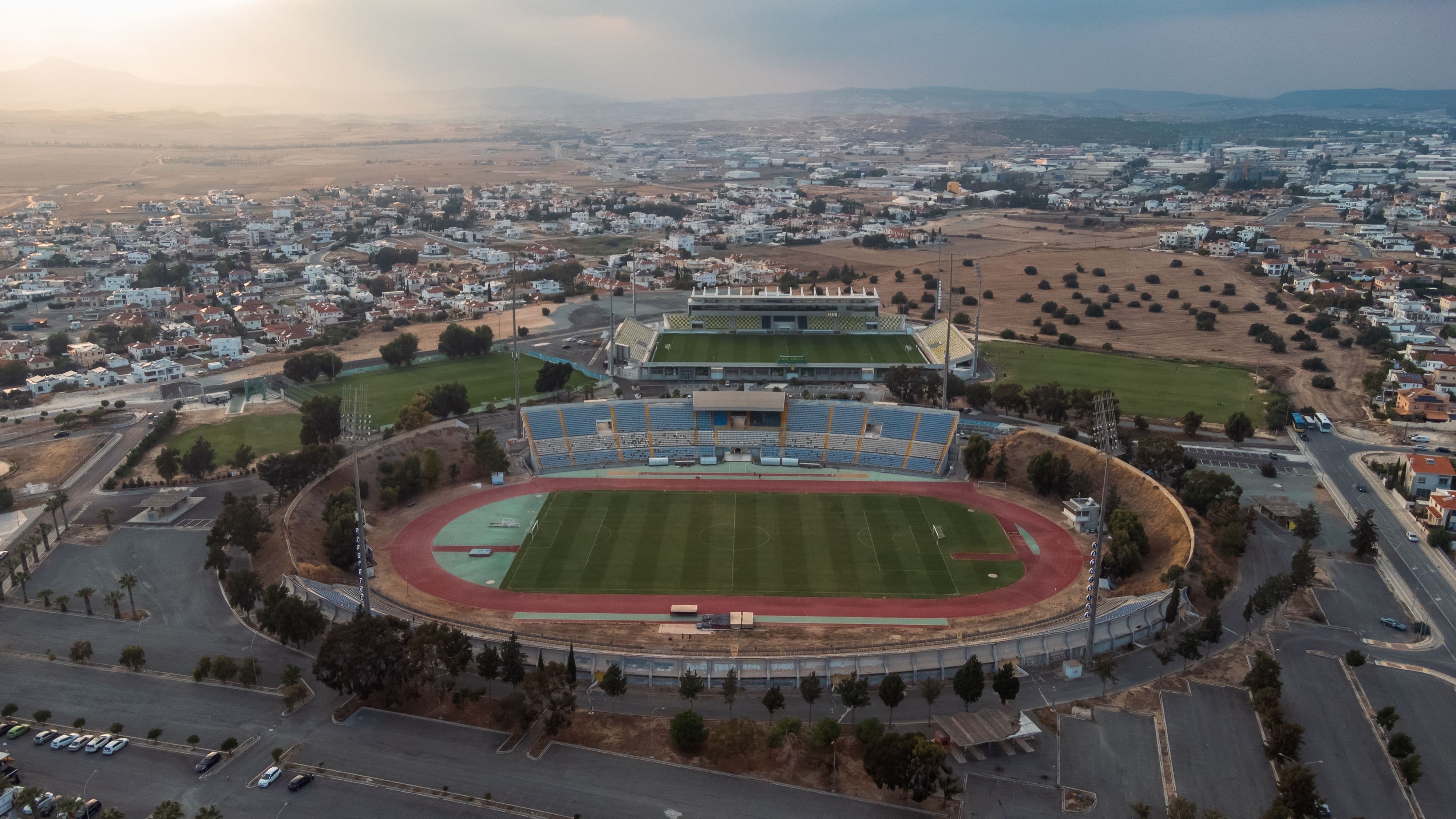
A single ticket machine is a minor inconvenience. A ticket machine at a stadium ramp on event night, or a university car park during the first week of term, is a queue that backs onto the surrounding streets. Ticketless entry doesn't just remove a piece of paper — it removes the bottleneck that paper creates the moment volume goes up.
Picture a hospital campus at shift change: hundreds of staff arriving and leaving inside the same twenty-minute window, on top of visitors and patients who don't know the site at all. A ticket-based gate turns that into a queue at every barrier. A ticketless one recognises staff automatically and only stops to ask something of the people who actually need to pay.

What the operator sees
Every entry and exit is still logged, with a plate read, a timestamp, and a payment record attached — a full audit trail, without anyone needing to hold onto proof of it. Occupancy, revenue, and access activity are visible in real time through the Inugo Management Console, across every site an operator runs, not just the one someone happens to be standing in. A corporate campus running four buildings across a city can see all four from the same screen.
The hardware behind it
Not every site needs the same camera. A fixed dome camera built for low-light accuracy suits a covered car park with consistent conditions. A PTZ bullet camera covering two lanes at once and reading plates at speeds up to 120km/h suits a busier thoroughfare where vehicles aren't slowing down much on approach. A fixed speed and zoom camera reading at up to 250km/h fits a site with a longer run-up, like an airport access road. The point isn't the spec sheet — it's that the same ticketless experience can sit behind different hardware depending on what a site actually looks like, rather than forcing every site into one camera type.
The system is also built to keep working without a live internet connection. Reads and sessions are stored locally and synced once connectivity is back, which matters more than it might sound for sites in basements, remote structures, or areas with patchy signal — a category that covers a surprising number of parking facilities.
What it isn't
Ticketless doesn't mean unmanaged. Staff can still see exactly who's on site, flag a vehicle, or open a gate manually if something needs a human decision. It just means the default path — the one most vehicles take, most of the time — doesn't need one.