



HOW IT WORKS FOR THE PARKER
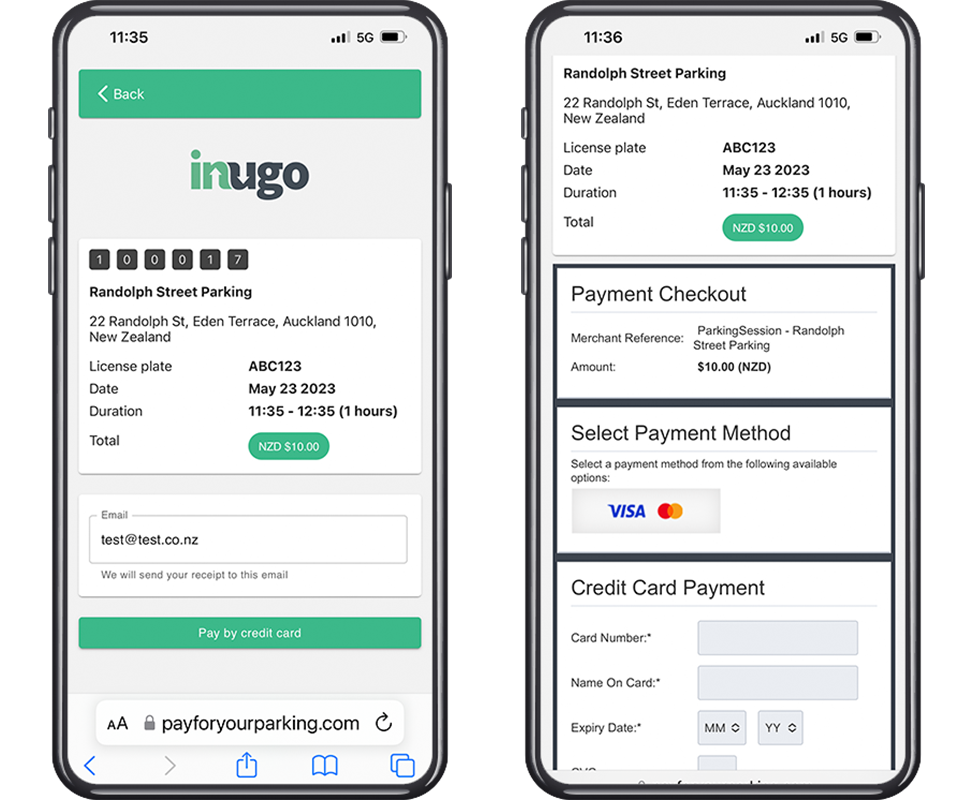
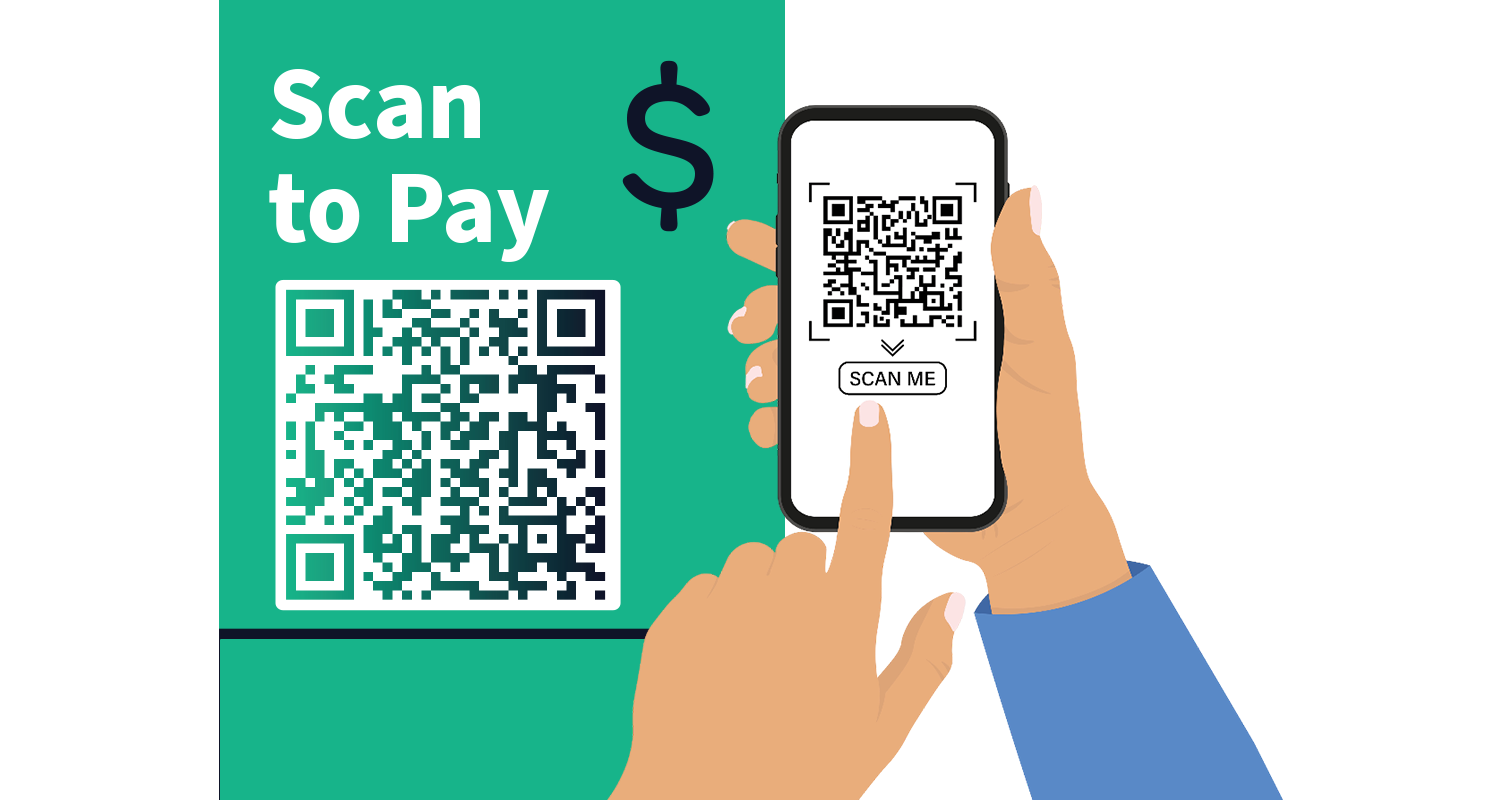
A parker finds a spot, scans a QR code posted around the lot with their phone's camera — no app required — and pays directly in the browser. The whole flow is four steps: find the sign, scan it, enter payment details, leave. There's no account creation to get through first, no app store review to sit through while a queue forms behind someone at the barrier, and nothing left installed on the phone afterwards that has to be remembered, updated, or deleted later.
For sites without a barrier at all, this works exactly the same way — the QR code and the payment flow don't depend on a gate being present, which makes it just as suited to an open surface lot as to a gated structure.
WHERE THIS EARNS ITS KEEP
Pop-up parking is the purest case: a farmers market that runs one Saturday a month, a temporary overflow lot for a one-off community event, a construction site's staff parking that only exists for the length of the project. None of these justify a dedicated app, an account system, or even much signage beyond the QR codes themselves — and a new Scan to Pay site can be created and live in the management platform in under five minutes, which matters when the “site” only exists for a weekend.
Event parking follows the same logic at a larger scale. A concert crowd or a one-off sporting fixture brings thousands of vehicles that will likely never park at that venue again. Asking each of them to download an app for a single visit is asking a lot for very little return — most people won't bother, and the ones who do won't use it again. A retail car park with heavy weekend footfall from shoppers who live nowhere near the site has the same profile: high volume, low repeat visits, and a real cost every time friction gets between someone and paying quickly.
WHAT IT MEANS FOR THE OPERATOR
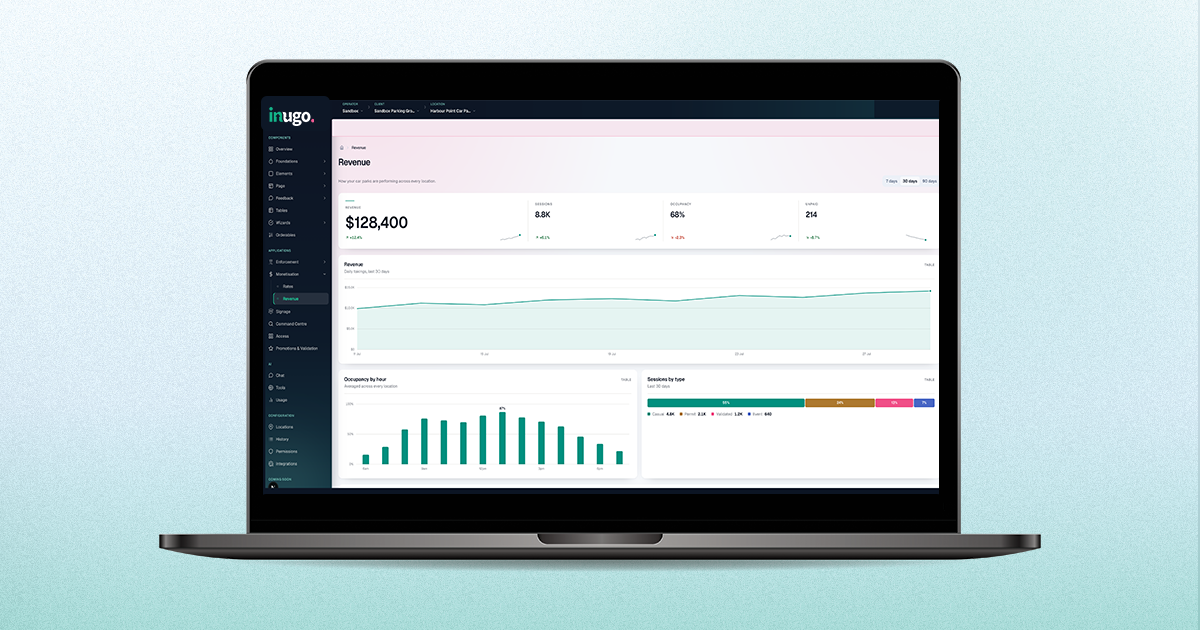
There's no app to design, build, submit to app stores, or maintain across iOS and Android versions for years afterwards. Payments still settle directly to the operator's merchant account, with the same real-time customer and revenue data as any other Inugo payment method, and the same dynamic pricing options apply on top of it. It's white-labelled to the operator's brand, so a scan still feels like paying that specific car park, not like using a piece of generic third-party software.
THE OTHER NO APP OPTION
Scan to Pay isn't the only app-less route. A white-labelled web app, opened the same way via a QR code, works well for sites that want something closer to a full booking experience without a download — proximity detection finds the nearest location automatically, if opted in users are notified before a session expires so they're not caught out by an unexpected fee, and a receipt is emailed automatically once payment's complete. It supports both transient and monthly parking, so it isn't limited to one-off visits the way Scan to Pay is best suited to — an operator can offer the lighter option for casual visitors and the fuller browser experience for regular ones, both without asking anyone to install anything.
For sites where most visitors are one-time or infrequent, this isn't a lighter version of the product — it's very often the better one.